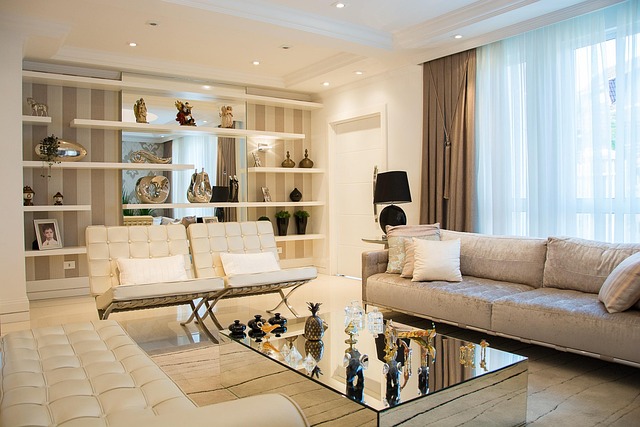
Living room
Top 10 curved sofas to look for in the UK (2026)
Curved seating is one of the clearest signals in furniture trends 2026, but not every curve works in a typical UK room. This guide explains what to check so you get the soft, sculptural look without losing comfort, access or layout flexibility. You will learn how to judge depth, back height, arm shape and fabric choice, plus which sizes tend to suit flats, terraces and open-plan spaces.
1) Start with the room, not the photo
Curved sofas photograph beautifully because the profile reads as intentional even with minimal styling. In real homes, the curve needs clearance. Measure your walkway route from doorway to seating area and make sure the sofa does not push traffic into tight corners. As a quick check, many UK living rooms feel comfortable with at least 70 to 90 cm of clear circulation space in front of key routes. If you have a narrow entry, consider a two-piece configuration or a smaller curved loveseat paired with an accent chair.
2) Choose the right curve type
Not all curved furniture UK shoppers see online is the same. In 2026 we see three main shapes: gentle crescent (subtle curve, easiest to place), statement arc (strong curve, best in open plan), and curved corner (wrap-around comfort, needs space). For most homes, the gentle crescent is the safest pick because it softens the room without forcing you to re-plan everything else.
- Gentle crescent: best for terraces and compact lounges.
- Statement arc: best for larger rooms and zoning open-plan layouts.
- Curved corner: best for households that lounge, game or host often.
3) Comfort checks: depth, pitch and firmness
A sofa can look high-end and still feel awkward if the seat depth is wrong. In 2026, many trending sofas are deeper for a relaxed feel. That is great for movie nights, but if you prefer upright sitting or you are furnishing a family room, look for supportive back cushions and a depth that does not force you to perch. If you are unsure, request curation and tell us how you like to sit, plus who uses the sofa most.
4) Fabric: bouclé sofa, textured weave, or smooth performance?
Bouclé is still popular in 2026 because it adds depth to earthy tones interiors, but it is not the only way to get a textured look. A tight, textured weave can read just as warm and often suits family homes better. If you have pets or young children, consider darker oat or mushroom tones that hide everyday marks and use throws in lighter shades for contrast.
5) The ten curved sofa “types” worth searching for
Instead of chasing one viral model, search by the features that matter. Here are ten curved sofa types we commonly recommend when people ask for best sofas UK 2026.
- Compact curved 2-seater for flats and snug rooms
- Curved 3-seater with slim arms to maximise seat width
- Arc sofa with matching ottoman for flexible lounging
- Curved corner with a softer chaise-like end
- Curved modular with reconfigurable pieces
- Bouclé curved sofa in oatmeal or stone for warmth
- Textured weave curved sofa for family-friendly durability
- Low-profile curved sofa for modern open-plan spaces
- Higher-back curved sofa for support and longer sitting
- Curved sofa with removable covers where available
Curved sofa quick checklist
| Check | Why it matters |
|---|---|
| Door and hallway widths | Curves can be harder to manoeuvre than straight sofas. |
| Seat depth | Deep seats are relaxed but not for everyone. |
| Back support | Low backs look sleek but can reduce comfort. |
| Fabric texture and care | Bouclé is cosy; tight weaves can be more practical. |
| Clearance around the curve | Avoid pinching circulation routes in UK rooms. |
If you are in Wolverhampton, Birmingham or the wider West Midlands and want help choosing a curved sofa that fits your access and layout, our team can guide you. UK-wide shoppers can use the same service and receive recommendations suited to their room and budget.